

Three Towns, One Coast: The Many Faces of the French Basque Riviera.

Drive along this stretch of Atlantic coast and you'll notice something curious. Twenty minutes can separate three towns that feel like three entirely different places — different moods, different rhythms, different reasons to fall in love with them.
Biarritz has the confidence of old money and good light. Bayonne has the soul of a working river town that has never needed to perform for anyone. Saint-Jean-de-Luz sits between the two, a fishing port that became something gentler without losing its salt.
Together, they make one of the most varied short stretches of coastline in France — and one of the easiest places to fall in love with the Basque Country in a single, unhurried week.
Biarritz: Elegance Without Effort

Napoleon III built his summer palace here for Empress Eugénie, and the town has carried that quiet ambition ever since. The Grande Plage curves in a long golden arc beneath grand hotels and historic villas. The Villa Belza watches from its cliff like a sentinel that has seen every sunset for over a century.
But what makes Biarritz work is the way grandeur and simplicity sit comfortably side by side.
Surfers wait patiently in the same water that once carried whale-hunting boats. A morning coffee on the terrace becomes an excuse to watch the light change for an hour. The old fishing port, just below the grand hotels, still smells of salt and early mornings.
Bayonne: The City That Knows Its Own Mind
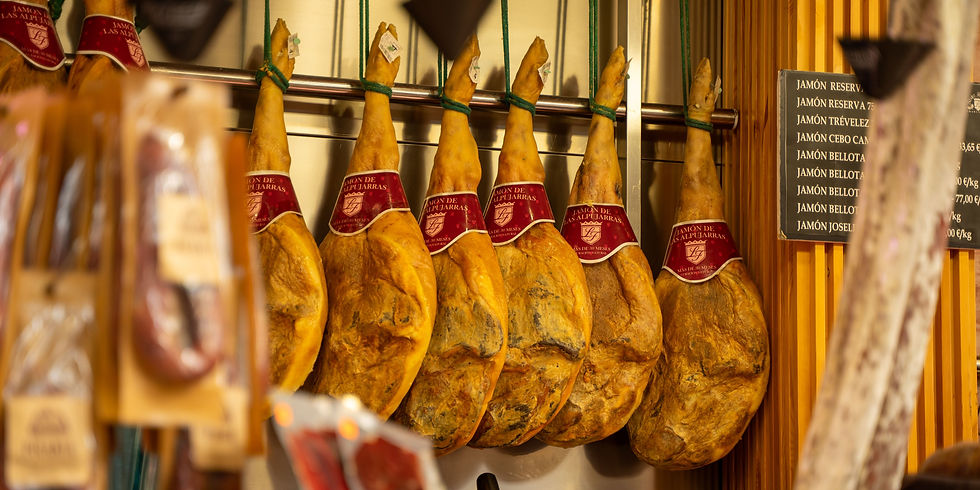
Twenty minutes inland, Bayonne operates on an entirely different register. This is a city that has been doing things its own way for a thousand years, and it shows no particular interest in changing now.
The old town folds into narrow streets of half-timbered houses painted deep red and forest green, the Nive river reflecting it all perfectly on still mornings. The market here is genuinely alive — not curated for visitors, but the real thing, where producers know their customers by name and the cheese arrives wrapped in paper rather than plastic.
Bayonne ham has been cured in cellars here for six hundred years. The cathedral rises above the rooftops, ancient and unhurried. This is a city you understand by wandering rather than sightseeing.
Saint-Jean-de-Luz: Where a King Once Married for Peace

In 1660, Louis XIV married the Spanish Infanta María Teresa here, sealing a peace treaty between two empires. The church door was then bricked up, so that no one less royal would ever use the same entrance again. It remains bricked up. The town has been quietly proud of this for over three centuries.
What strikes most visitors is the bay itself — a near-perfect crescent of calm water, sheltered enough that the fishing fleet has worked here for generations without much drama. The market spills across the square on market days. The sardines arrive from the boats that same morning. By evening, when the restaurants fill and the light turns gold over the water, it's easy to understand why people who find Saint-Jean-de-Luz tend to come back.
Why the Distance Between Them Matters

What makes this stretch of coast so rewarding is precisely the contrast. You can have a sophisticated morning in Biarritz, a real and unpretentious lunch in Bayonne's old town, and an evening watching the fishing boats come home in Saint-Jean-de-Luz — all within the same day, without rushing, without long drives, without the sense of covering ground rather than experiencing it.
This is the kind of geography that rewards staying rather than passing through. Each town reveals more the longer you spend in it, and the short distances between them mean you never have to choose at the expense of the others.
Our 2027 Basque Country tour is based in Biarritz, with full days dedicated to exploring all three towns at the pace they deserve.


Comments